
Estonian Independence Day: History, How to Celebrate
On February 24, Estonia doesn’t just mark a public holiday and day off work - it honors the birth of the Republic! Known as Iseseisvuspäev, Independence Day is a moment when our small nation pauses to remember how hard it was to win freedom, and why it still matters.

Iseseisvuspäev
A Brief Look at the History
Every February 24th, Estonians mark "Iseseisvuspäev", or Independence Day, honoring their nation's journey to freedom. This day commemorates the 1918 declaration establishing the sovereign Republic of Estonia.
The road to independence, however, wasn’t simple or linear.
November 28 1917 – The Estonian Provincial Assembly declares itself the highest authority in Estonia, taking a bold step toward self-rule amid the collapse of the Russian Empire.
February 1918 – As German troops advance, the Estonian Salvation Committee secretly drafts the Declaration of Independence.
February 24 1918 – The declaration is publicly read in Tallinn, proclaiming the Republic of Estonia.
The freedom declared that day soon had to be defended in the War of Independence. For Estonians, this date represents not just a political act, but a determination to exist as a nation.
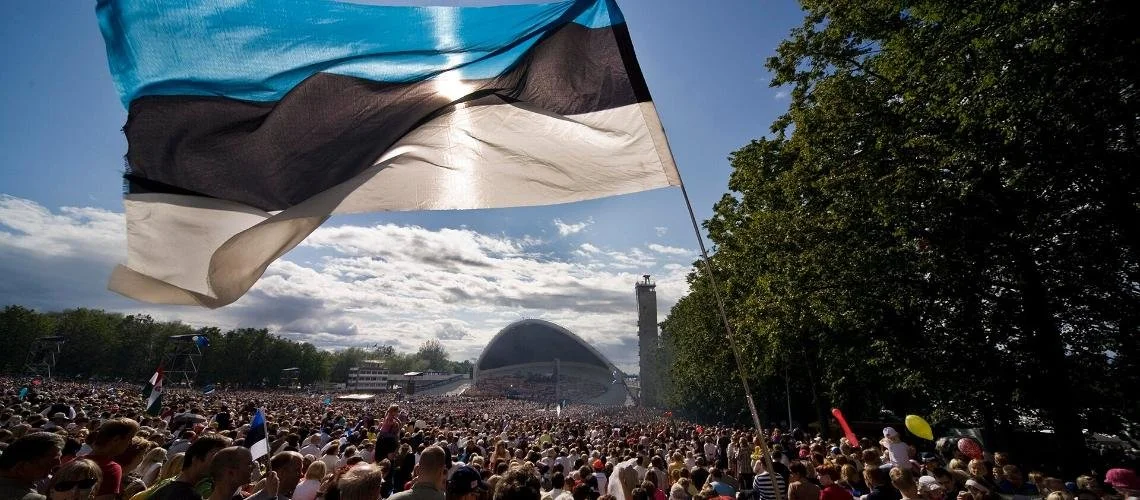
What the Day Looks Like
The day begins at sunrise, when the blue-black-white flag is raised at Toompea Castle and the national anthem, “Mu isamaa, mu õnn ja rõõm,” is sung. Many Estonians watch the ceremony live on television before heading outside to see flags displayed on homes and apartment buildings across the country.
At noon, attention turns to Freedom Square, where the Republic of Estonia Independence Day Parade takes place. The parade honours those who fought for Estonia’s freedom after independence was declared in 1918 and defended in the War of Independence. More than a thousand active-duty members of the Estonian Defence Forces march in formation, alongside representatives of allied nations. Around 50 pieces of military equipment are showcased, representing multiple branches of Estonia’s military and its partners. The Defence Forces Orchestra and the Defence League Orchestra provide music, military service dogs join the procession, and, weather permitting, Allied aircraft perform a flyover. Estonia’s President formally receives the parade. Afterward, parts of the equipment remain on display for the public to view up close.
In the evening, the President hosts a formal reception, broadcast nationwide, featuring speeches and cultural performances. At the same time, many other cities and towns across Estonia hold their own ceremonies and gatherings.
But beyond official ceremonies, the heart of the holiday is quieter and more personal, with people spending time with their friends and family and enjoying a festive day together.
What about the Food?
On February 24, families gather around a traditional “cold table” filled with simple, comforting local dishes that reflect Estonia’s rural roots. Typical Independence Day foods include:
Kiluvõileib – The iconic open-faced sandwich: dark rye bread with butter, spiced sprats, and sliced boiled egg.
Rosolje – A bright pink salad made with beetroot, potatoes, and herring.
Sült – Savory jellied meat, usually served with mustard or horseradish.
Verivorst with sauerkraut – Blood sausage paired with warm sauerkraut, hearty and filling.
Kringel – A sweet braided cardamom bread often served for dessert.
Kama – A traditional roasted grain mixture blended with yogurt or cream.

Why It Matters for Us
For a country that regained independence again in 1991 after Soviet occupation, February 24 carries a very strong meaning for many people living here - across generations and different backgrounds. It reflects pride in the country, a strong sense of identity, and an awareness of how much history has shaped everyday life. That’s why the day is marked with simplicity and quiet respect rather than anything overly grand or extravagant.
If you’re in Estonia on February 24, hang a flag, try traditional local food, (attempt to) sing the anthem, or simply join the morning ceremony! You won’t regret joining the celebrations. :)
